September 21, 2026
Maintaining a safe, functional, and energy-efficient home requires constant vigilance, especially when it comes to the complex power grid hidden behind your walls. Modern households rely heavily on a continuous, uninterrupted flow of electricity to power everything from everyday kitchen appliances and entertainment systems to critical climate control units and home office equipment. However, as household energy demands grow, particularly in older structures built under outdated building standards, internal wiring, outlets, and electrical panels can quickly become overtaxed. While some home maintenance tasks make great weekend DIY projects, handling your electrical infrastructure without specialized training presents severe safety hazards, including lethal shock, arc flashes, and sudden house fires. Recognizing the early warning signs of electrical failure is one of the most effective ways to protect both your property and your loved ones from preventable disasters.
Many homeowners inadvertently dismiss minor electrical anomalies, such as a light bulb that occasionally flickers, an outlet that feels warm to the touch, or a circuit breaker that trips every time the microwave and hairdryer run simultaneously, as harmless inconveniences. In reality, these subtle symptoms are often the first clear indicators of deeper, systemic problems developing within your home's electrical framework.
Managing Breaker Trips
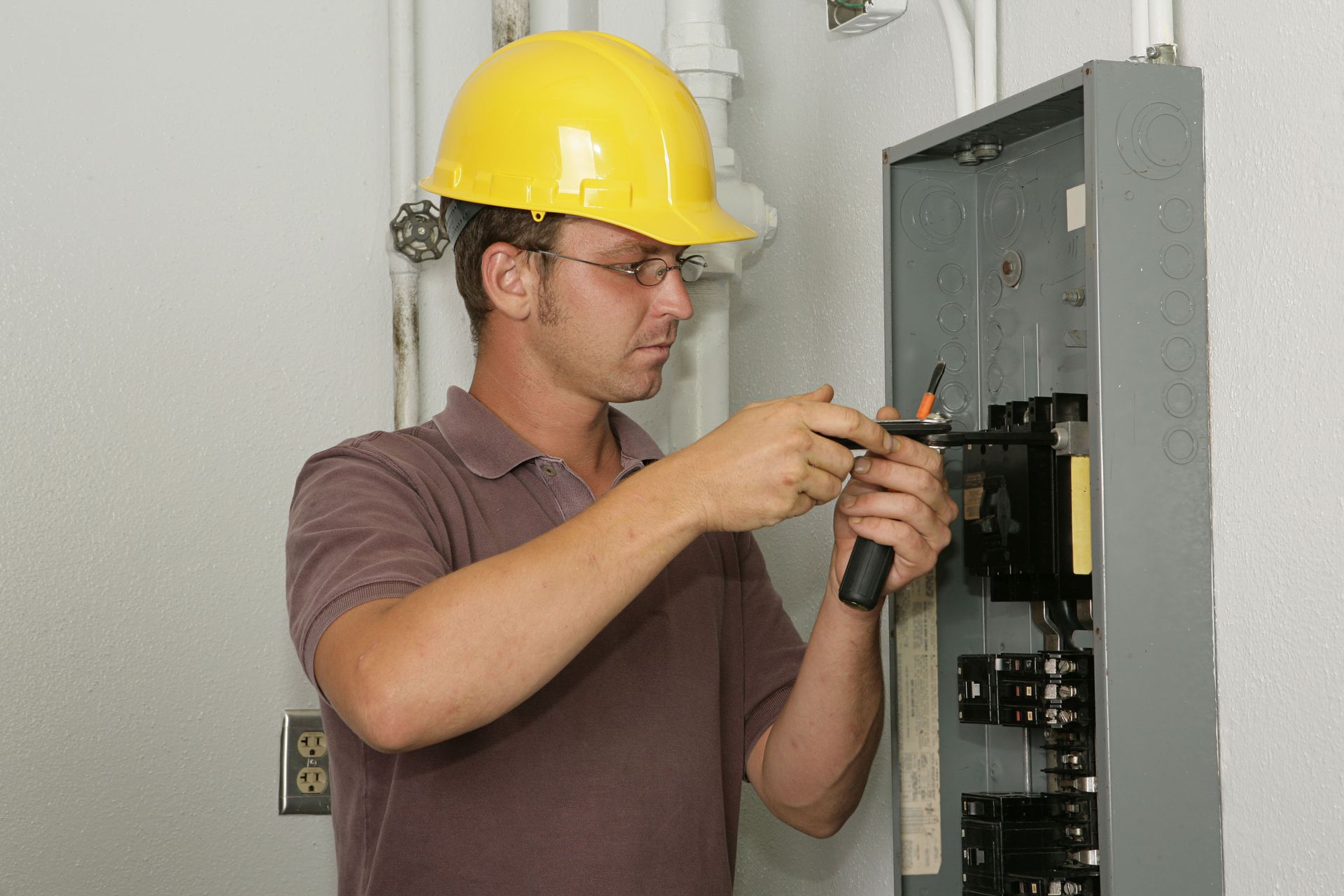
Circuit breakers are integral components of any modern residential power grid, designed to protect circuits from dangerous overcurrent events. Their primary function lies in instantly interrupting electrical flow when internal faults, like overloads or short circuits, are detected within the home. By doing so, proper protection prevents severe hazards such as structural fires, appliance damage, and localized line failures. According to Summit College, standard residential properties typically operate on single-phase power configurations (120/240 volts), while commercial facilities usually demand robust three-phase electrical systems to handle heavier operational loads. Hiring a residential electrician service ensures that your home's main panel and single-phase setup operate safely within their design limits.
Identifying Overload Triggers
Several distinct factors contribute to frequent breaker trips, making accurate diagnostic evaluations essential for long-term safety. Overloaded circuits account for most tripping incidents, often caused by running multiple high-energy appliances on a single dedicated line. Short circuits also pose notable threats, occurring when a direct connection between live and neutral wires creates an instantaneous spike in current. Recognizing these specific triggers enables homeowners to alter their daily appliance usage while scheduling a certified residential electrician service to rebalance heavy electrical loads across newly added branch circuits.
Resolving Systemic Failures
While an isolated breaker trip can be a minor inconvenience, repeated occurrences signal deeper structural complications hidden within your walls. Frequent disruptions often point toward deteriorating wire insulation, loose terminal connections, or failing breaker switches that demand professional examination. Delaying necessary repairs compromises your home's infrastructure, turning simple maintenance tasks into costly emergency replacements. Partnering with a skilled residential electrician service ensures that panel connections, bus bars, and grounding systems undergo thorough testing to isolate and resolve persistent power disruptions safely.
Preventing Household Hazards
Neglecting frequent circuit breaker trips can bring severe consequences to your living environment, making immediate technical intervention vital. Continuous misuse of a compromised electrical system risks catastrophic thermal meltdowns, severe equipment damage, and sudden structural fires. Furthermore, recurrent breaker trips cause unexpected localized blackouts, disrupting daily household routines and damaging sensitive modern electronics. Booking a professional residential electrician service provides comprehensive diagnostic testing, helping you eliminate dangerous power fluctuations while restoring reliable, uninterrupted electricity throughout your property.
Executing Pre-Service Checks
Before calling for emergency technical support, homeowners can take preliminary steps to safely manage minor circuit breaker issues. Begin by unplugging high-draw appliances connected to the affected circuit to relieve excessive thermal stress. Inspect visible wall cords and appliance plugs for signs of outer casing wear, fraying, or charred plastic. Documenting the timing of recurrent breaker trips gives your technician valuable context during their initial assessment. These preliminary checks streamline initial diagnostics once your scheduled residential electrician service team arrives to evaluate the main service panel.
Diagnosing Light Disruptions
Flickering or dimming lights often signal underlying voltage instability within your home's internal wiring framework. While simple causes like loose bulbs are easily fixed, persistent flickering across multiple rooms points to loose neutral lines or severe voltage drops. These fluctuations usually occur when heavy appliances, such as central air conditioners, pull large initial currents upon starting up. Requesting a thorough inspection from an experienced residential electrician service pinpoints the exact cause of voltage drops, protecting sensitive LED fixtures and appliances from premature failure.
Protecting Lighting Performance
Recurring light flickering undermines the overall performance of household illumination systems while straining connected fixtures. Intermittent voltage spikes shorten the operational lifespan of sensitive bulbs and electronic ballasts, driving up routine replacement costs. Furthermore, erratic lighting conditions reduce visibility in stairways and hallways, creating unnecessary trip hazards for family members. Engaging a qualified residential electrician service stabilizes power delivery across all lighting branch circuits, ensuring consistent illumination levels and eliminating frustrating visual disruptions.
Categorizing Flickering Patterns
Analyzing specific flickering patterns yields vital insights into whether an issue is localized or systemic. A slow, single-lamp flicker typically indicates a failing socket, bad switch contact, or loose bulb connection within that specific fixture. Conversely, synchronized flickering across multiple rooms points to overloaded neutral wires, loose bus bar connections, or utility supply line drops. Identifying these distinct behaviors allows licensed technicians to execute targeted troubleshooting, ensuring every junction box, light fixture, and circuit connection meets strict national electrical safety standards.
Mitigating Unaddressed Risks
Prolonged neglect of systemic light flickering allows minor electrical flaws to compound into severe property hazards. Persistent voltage fluctuations degrade sensitive circuit boards in modern smart appliances, leading to premature system lockouts and total component failure. In severe cases, loose terminal screws driving light flickers generate electrical arcing, which can ignite surrounding insulation inside dry walls. Addressing these warning signs quickly fortifies your electrical infrastructure, keeping your home safe from hidden arcing threats and unpredicted power failures.
Evaluating Professional Interventions
While replacing a light bulb is a safe DIY task, investigating persistent voltage drops requires specialized diagnostic equipment and technical training. Attempting to repair internal junction boxes or main panel components without proper tools exposes homeowners to dangerous arc flashes and lethal shocks. Professional technicians use specialized meters to measure line resistance and voltage under heavy loads. Relying on an expert residential electrician service ensures complex repairs are completed in strict compliance with local building codes, preserving your home's structural safety.
Responding to Burn Signs
Discovering a sharp, acrid burning smell or discolored wall outlets is a critical safety warning that requires immediate action. These distinct indicators signal localized overheating, melting wire insulation, and active arcing behind your drywall. Discoloration around switch plates or outlet covers indicates that internal brass contacts have lost tension, creating extreme electrical resistance. Homeowners must immediately shut off power at the main breaker panel and contact an emergency residential electrician service to replace damaged outlets and corrupted wiring before a fire starts.
Taking a proactive approach to home electrical maintenance is essential for preserving property value, personal safety, and daily functional efficiency. Recognizing early warning signs, such as frequent breaker trips, flickering lights, buzzing outlets, or acrid burning odors, enables you to address minor defects before they evolve into hazardous structural emergencies. By prioritizing routine system inspections and relying on certified technicians for complex repairs, you safeguard your household against catastrophic electrical fires and costly equipment failures. When you need expert inspection, panel upgrades, or emergency repairs for your home, trust the certified team at League Electric.