May 26, 2026
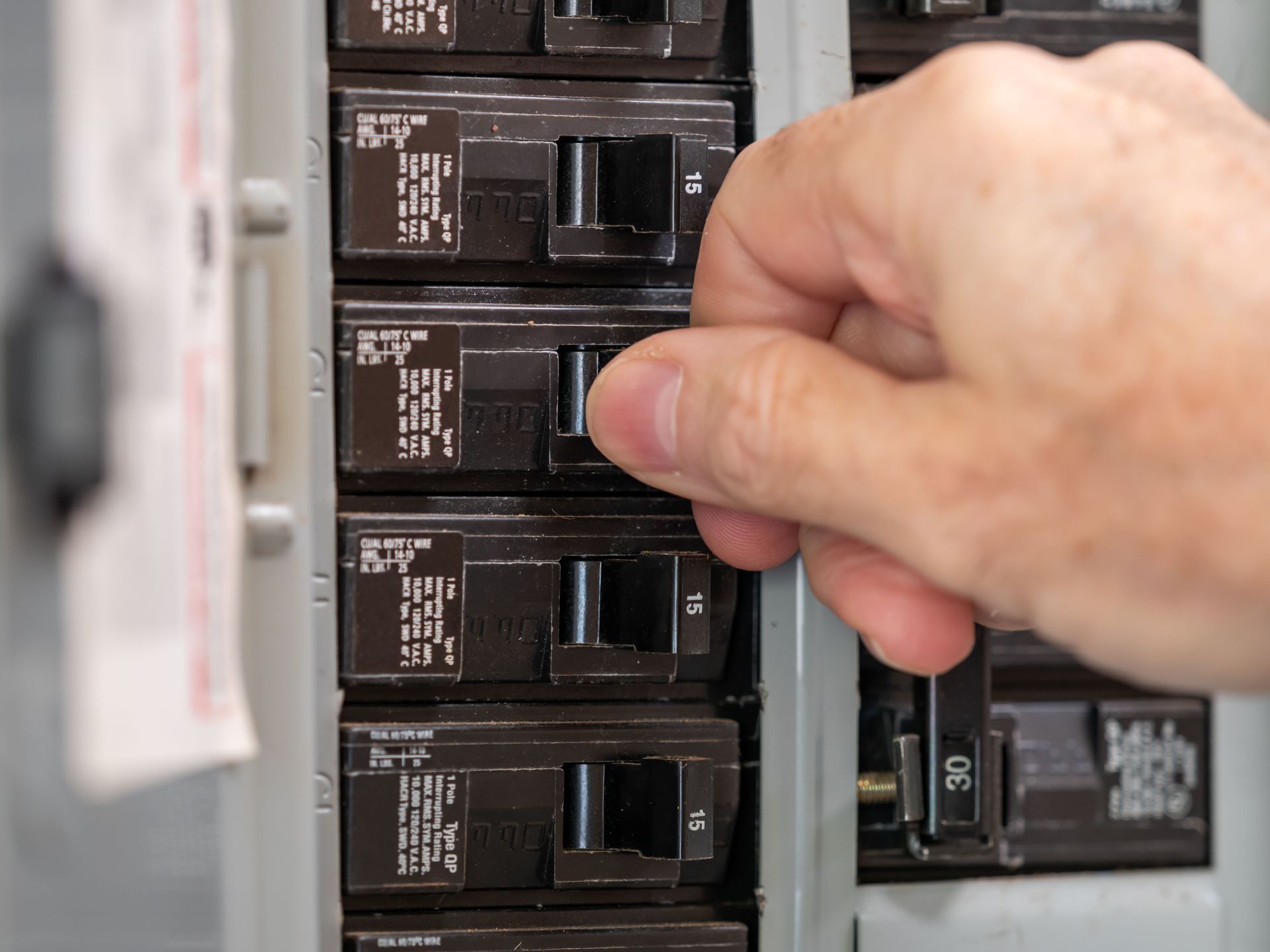
Circuit breakers are designed to protect your home from electrical hazards. When a breaker trips, it interrupts the flow of electricity to prevent overheating, damaged wiring, or dangerous electrical events. While an occasional trip may not seem alarming, repeated tripping often points to a larger issue that should not be ignored. Many homeowners become frustrated when a breaker repeatedly shuts off power and may continue resetting it without understanding the underlying cause. However, repeatedly resetting a breaker without professional evaluation can create serious safety concerns.
Electrical systems work behind the scenes every day, powering appliances, lighting, devices, and essential home systems. When something disrupts that flow, your breaker acts as a safeguard. Understanding why your breaker trips and knowing when to stop resetting it can help protect your property, your appliances, and your family. In many cases, an experienced electrician can identify the issue and recommend safe, long-term solutions that restore reliable power throughout the home.
Recognizing Common Causes of Tripped Breakers
A circuit breaker can trip for several reasons, and each one may indicate a different type of electrical concern. One of the most common causes is an overloaded circuit. This occurs when too many appliances, devices, or systems draw power from the same circuit at the same time. As demand increases, the breaker shuts off power to prevent overheating.
Another possible cause involves faulty wiring or damaged electrical connections. Wiring issues may develop gradually due to aging materials, moisture exposure, or improper installations. Loose or deteriorating wiring can create heat buildup behind walls, which increases the risk of electrical hazards.
Short circuits may also trigger frequent breaker trips. These occur when electrical current takes an unintended path, often because of damaged wires or failing components. Ground faults are similar and happen when electricity flows outside its intended route, particularly in areas where moisture is present.
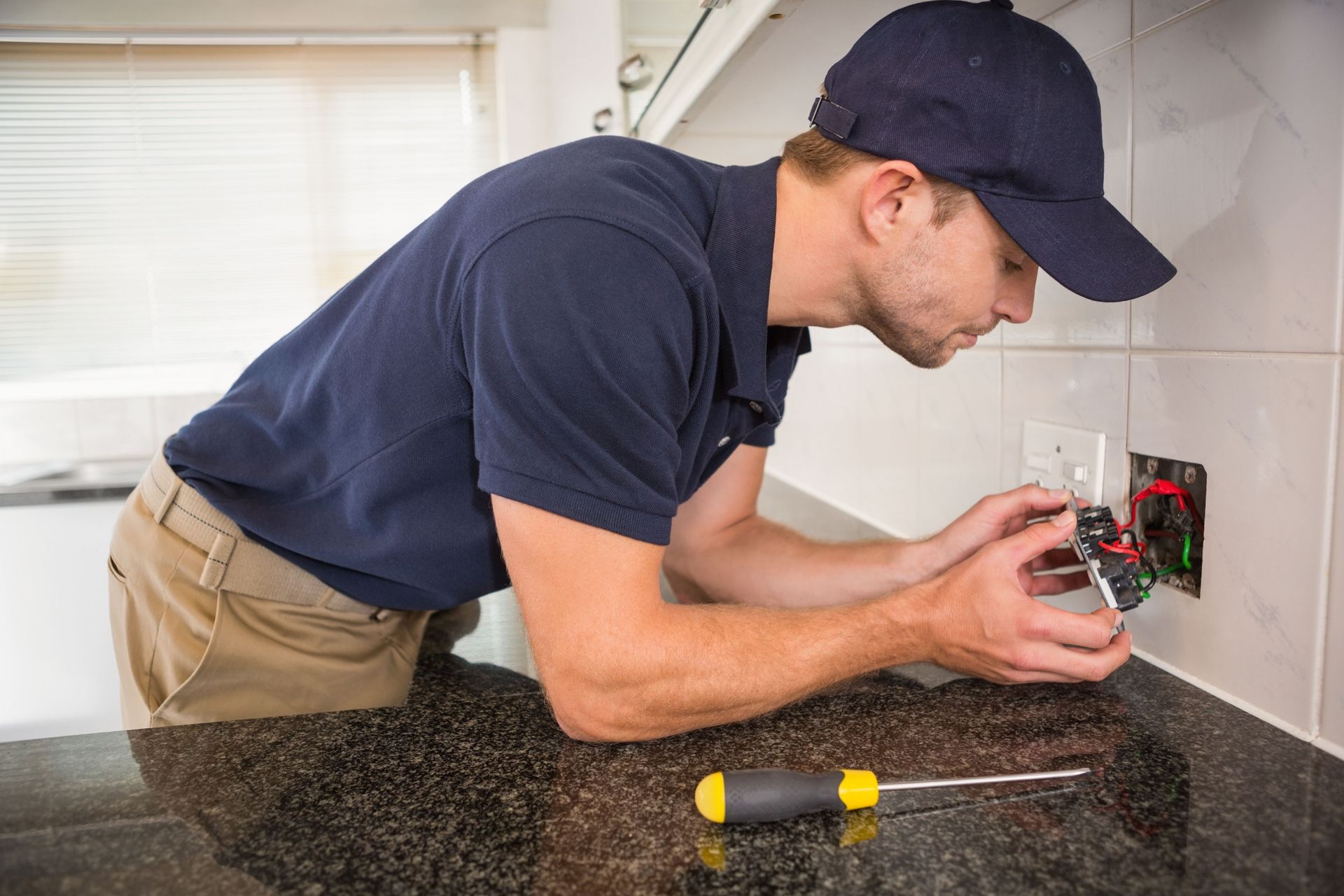
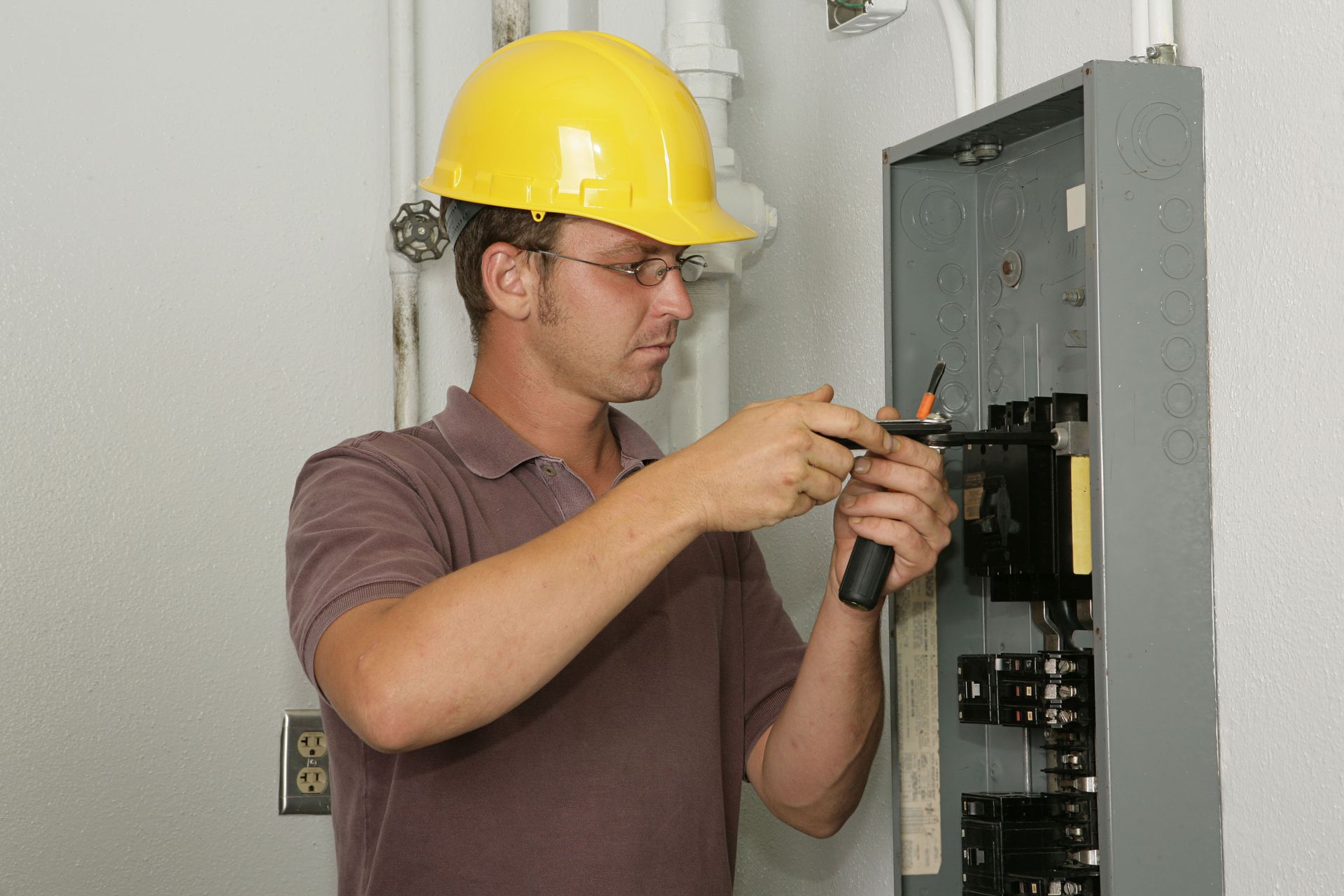
An experienced electrician can inspect the electrical panel, wiring, and connected systems to determine which issue is causing the repeated tripping. Identifying the source early can help prevent larger and more expensive electrical problems later.
Understanding Why Repeated Resetting Is Risky
Resetting a breaker once after an isolated issue may not be unusual. However, repeatedly forcing power back on without understanding why the breaker keeps shutting off can create dangerous conditions. Circuit breakers exist to prevent overheating and electrical damage. Ignoring those warnings defeats the purpose of the safety system.
When homeowners repeatedly reset breakers, they may unknowingly allow damaged wiring or overloaded circuits to continue operating. Over time, this can increase heat inside walls, outlets, and electrical components. Excessive heat may damage insulation, weaken wiring, and place strain on connected appliances.
Frequent resetting can also wear down the breaker itself. A weakened breaker may eventually fail to trip properly, leaving the electrical system vulnerable to overheating and other hazards. In some cases, homeowners notice a burning smell, warm outlets, flickering lights, or buzzing sounds before more serious damage occurs.
Instead of treating repeated breaker trips as a minor inconvenience, homeowners should view them as signs that the electrical system requires professional attention. A qualified electrician can safely diagnose the issue while protecting the integrity of the home’s electrical infrastructure.
Identifying Warning Signs of Electrical System Problems
Circuit breakers rarely trip without reason. Often, the electrical system provides additional warning signs before repeated tripping becomes a serious issue. Paying attention to these symptoms can help homeowners respond before electrical problems worsen.
Flickering or dimming lights may indicate that certain circuits are struggling to handle electrical demand. This issue can become more noticeable when appliances turn on or when multiple devices operate simultaneously. Outlets that feel warm or produce unusual odors may also suggest excessive heat buildup behind walls.
Buzzing sounds coming from outlets, switches, or the electrical panel should never be ignored. These noises can indicate loose wiring, failing breakers, or electrical arcing within the system. In some cases, homeowners may notice appliances losing power unexpectedly or certain rooms experiencing inconsistent electricity.
Older electrical systems may struggle to support modern energy demands, especially when newer appliances and technology place greater strain on outdated panels. According to The Spruce, a 200-amp electrical panel is considered standard for most homes, while larger properties may require a 400-amp panel. Homes with outdated electrical systems may benefit from an evaluation by an electrician to determine whether upgrades are necessary.
Recognizing these warning signs early can help prevent further damage and improve overall electrical safety throughout the home.
Evaluating the Role of Appliances and Electronics
Modern households rely heavily on electrical devices throughout the day. Large appliances, entertainment systems, charging stations, and smart home technology all place demands on the electrical system. When several power-hungry devices operate together on the same circuit, breakers may trip more frequently.
Kitchen appliances are common contributors to overloaded circuits because many draw significant amounts of electricity during operation. Laundry equipment, space heaters, and air conditioning systems can also increase electrical demand. Even smaller devices, when combined across a single circuit, may create enough strain to trigger a breaker.
An electrician can determine whether the issue stems from the home’s wiring, the circuit layout, or a particular device. Professional evaluations help ensure that appliances operate safely while minimizing unnecessary strain on the electrical system.
Addressing Outdated Electrical Panels and Wiring
Older homes often contain electrical systems that were designed for far fewer appliances and electronics than modern households use today. As technology and energy demands increase, outdated panels and aging wiring may no longer provide adequate support.
Older electrical panels may trip more frequently because they struggle to manage modern electrical loads. In some cases, outdated breakers may become unreliable or fail to respond properly during electrical surges or overloads. Aging wiring can also deteriorate over time, particularly in areas exposed to moisture, heat, or general wear.
Home renovations and additions may place even greater strain on an already outdated electrical system. New lighting, appliances, and entertainment systems often increase demand beyond what the original wiring and panel were designed to handle.
Knowing When Professional Help Becomes Necessary
Burning smells, scorch marks near outlets, buzzing sounds, or sparks all suggest potentially dangerous electrical conditions. Frequent breaker trips affecting the same circuit may indicate hidden wiring damage or overloaded systems. Power interruptions involving major appliances or multiple rooms may also point to larger panel or wiring issues.
Water exposure near outlets, electrical panels, or wiring can create additional risks and should always be inspected by a professional. Storm damage, flooding, and leaks may compromise electrical components in ways that are not immediately visible.
Professional electricians use specialized tools and expertise to diagnose electrical problems safely. They can identify hidden hazards, evaluate the condition of the electrical system, and recommend solutions that improve safety and long-term reliability. Attempting to ignore or repeatedly reset breakers without proper evaluation can place unnecessary strain on the home’s electrical infrastructure.
Preventing Future Electrical Problems Through Maintenance
Preventive maintenance plays an important role in keeping electrical systems operating safely and efficiently. Regular inspections help identify developing issues before they lead to repeated breaker trips or larger electrical failures.
An electrician can inspect panels, wiring, outlets, switches, and connected systems for signs of wear, overheating, or improper electrical flow. Maintenance appointments also provide an opportunity to evaluate whether the home’s electrical system still meets current energy demands.
Circuit breakers serve as one of the home’s most important safety features. While resetting a breaker may seem like a quick fix, repeated tripping often signals underlying electrical issues that require professional evaluation. Ignoring those warnings can increase the risk of damaged wiring, overloaded circuits, and unsafe electrical conditions.
By understanding the common causes of breaker trips and recognizing when professional help is needed, homeowners can better protect their homes and electrical systems. Working with a qualified electrician ensures that electrical problems are diagnosed safely and resolved properly before they become more serious.
At League Electric, we help homeowners address electrical concerns with reliable service and professional solutions tailored to their needs. When electrical issues disrupt your home, we work together to restore safe, dependable power while protecting the systems you rely on every day.