March 20, 2026
Maintaining code compliance in electrical systems is one of the most critical aspects of ensuring safety and efficiency in any property. Electrical codes set the standards for installation, maintenance, and repair of electrical systems, guiding professionals in the industry to prevent hazards such as fires, electrocution, and equipment malfunctions. Whether in residential homes, commercial buildings, or industrial facilities, adherence to these codes is not optional—it is a legal and safety requirement. Electrical services, performed by trained professionals, are the cornerstone of code compliance, offering expertise, regular inspections, and repairs that meet or exceed standards. According to IBIS World, there were 1,122,839 people employed as electricians in the US as of 2023, reflecting the significant demand for skilled professionals who understand and apply electrical codes.
What Role Does an Electrical Technician Play in Code Compliance?
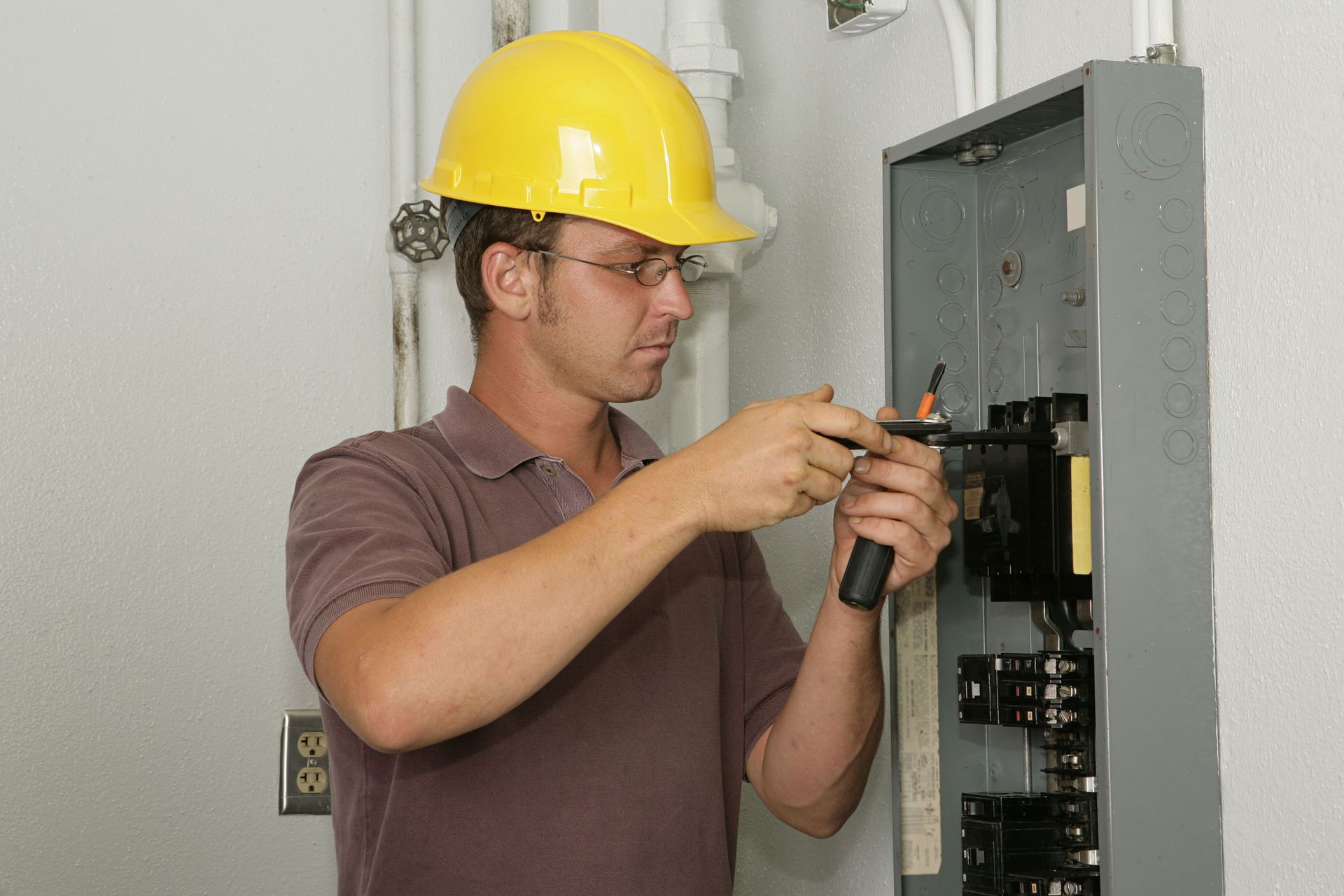
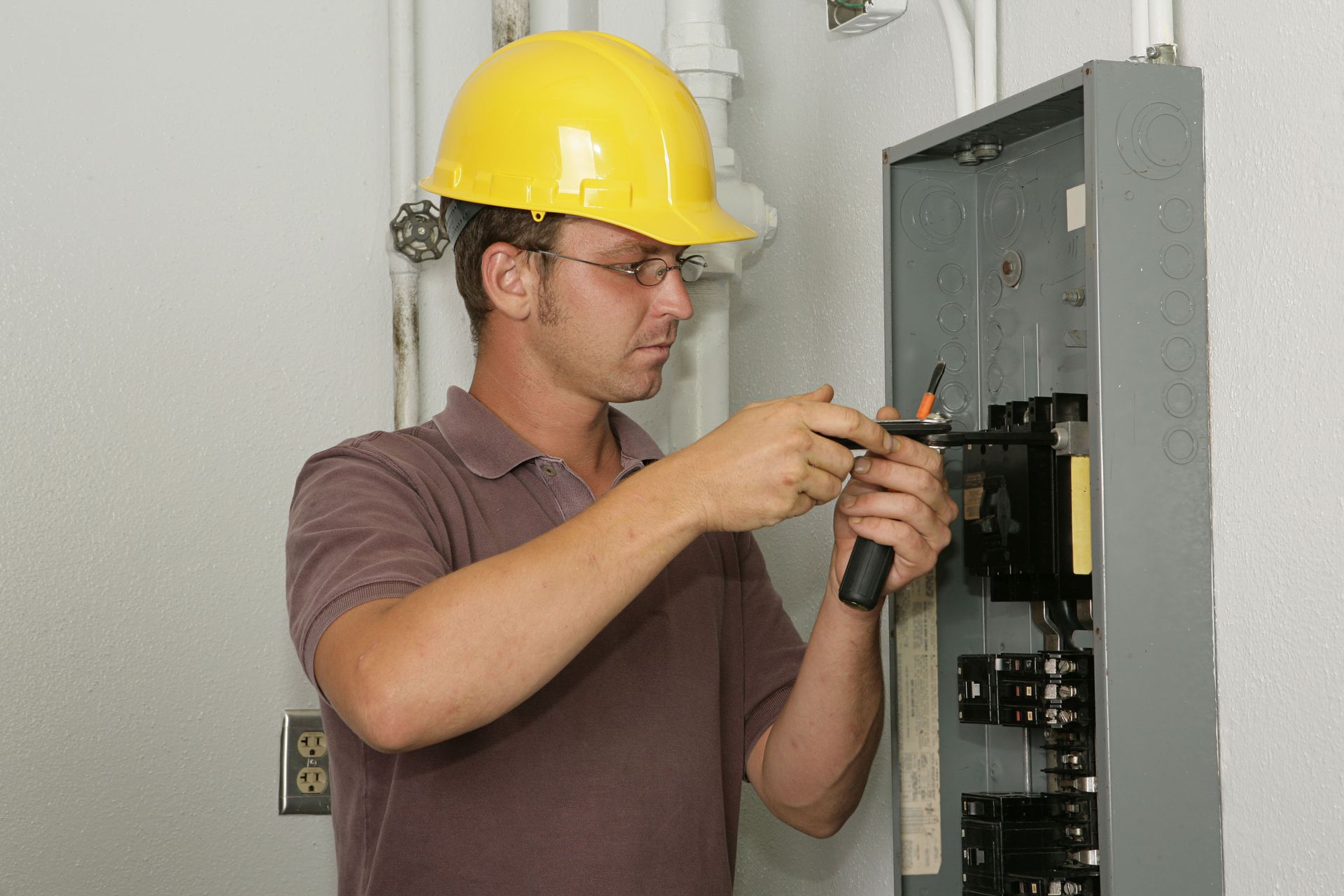
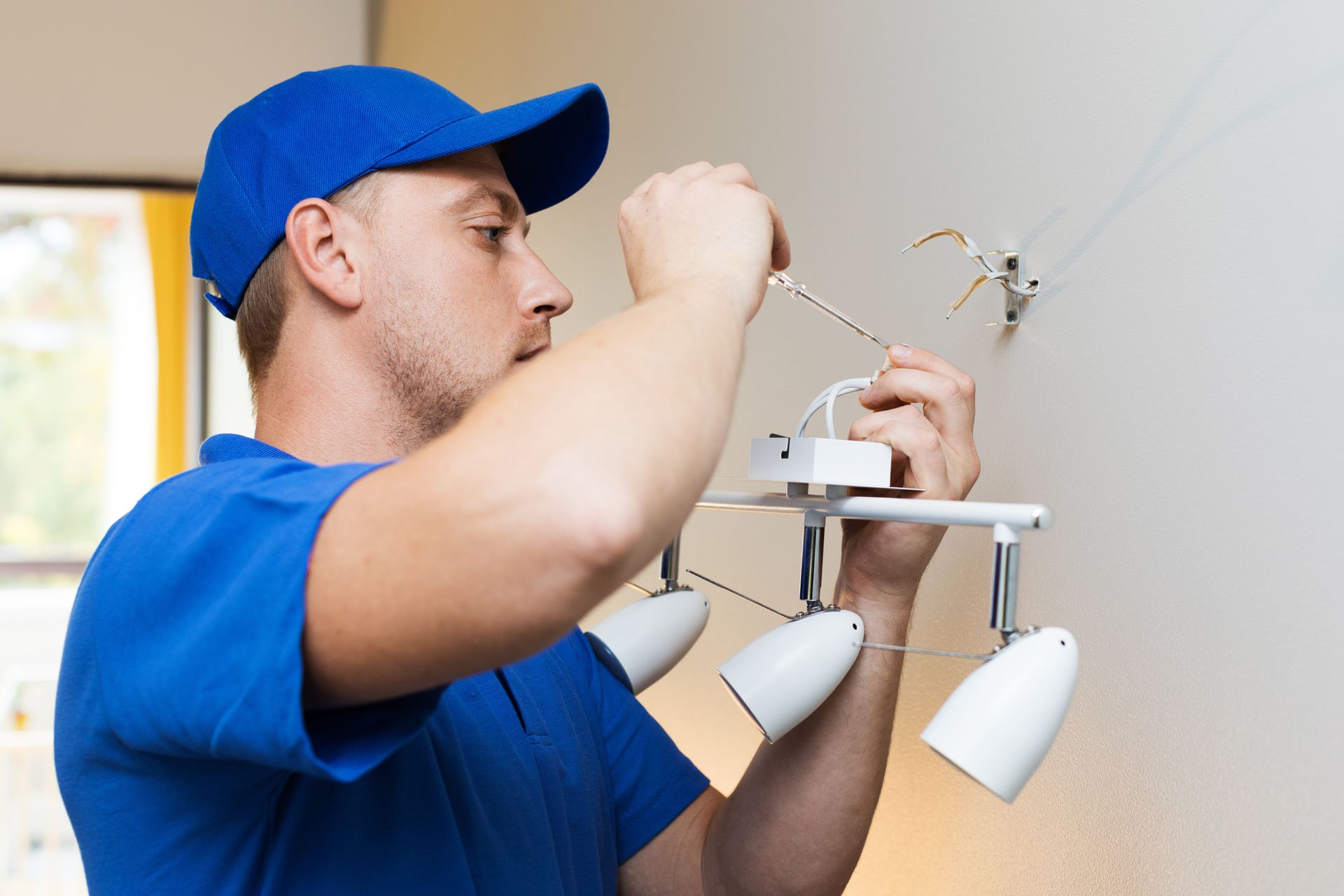
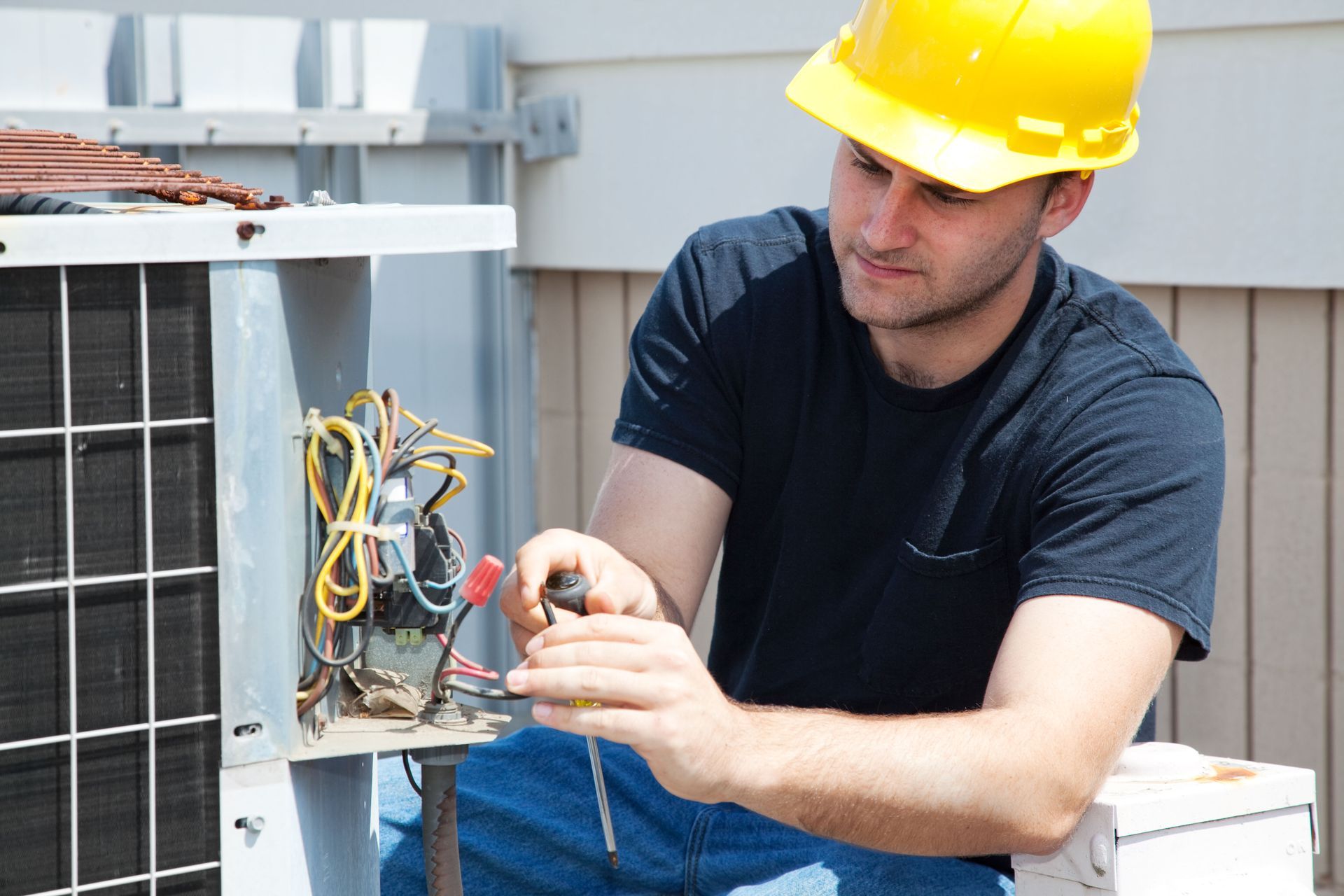
Electrical technicians serve as the frontline guardians of electrical code compliance. These professionals are trained to interpret complex codes and apply them correctly during installation, maintenance, and repair tasks. A licensed electrical technician ensures that every wiring project, panel upgrade, or electrical device installation meets local and national code requirements. Their role goes beyond merely connecting wires—they evaluate the entire electrical system to ensure it operates safely and efficiently.
One of the primary responsibilities of an electrical technician is to assess existing systems for compliance. Older buildings, in particular, may have outdated wiring or components that no longer meet current safety standards. A technician identifies these deficiencies and provides solutions that bring the system up to code. This process may involve replacing outdated breakers, updating grounding systems, or installing circuit protection devices that prevent overloads and electrical fires.
Furthermore, electrical technicians act as consultants for property owners, helping them understand how code requirements impact system design and functionality. Whether recommending energy-efficient solutions or ensuring safety during renovations, their expertise is vital in creating a compliant and secure electrical environment.
How Do Electrical Services Ensure Safety Standards Are Met?
Electrical services encompass a wide range of tasks designed to meet strict safety standards. Licensed technicians follow established protocols to guarantee that every installation or repair meets the specifications outlined in the National Electrical Code (NEC) and local regulations. Compliance with these standards is essential to prevent fire hazards, equipment damage, and injury.
A significant aspect of maintaining safety standards is proper circuit design and load management. Electrical technicians calculate the electrical load requirements for buildings and ensure that circuits are properly balanced. Overloaded circuits can lead to overheating and increase the risk of fires, making proper planning and adherence to codes critical. Technicians also ensure that all wiring is correctly insulated and routed to prevent accidental contact or exposure, reducing the risk of electrical shock.
Additionally, electrical services involve installing protective devices such as ground fault circuit interrupters (GFCIs), surge protectors, and circuit breakers. These devices are designed to shut off power in the event of a fault, preventing injuries and property damage. By implementing these safety measures, electrical technicians actively maintain compliance while creating a safer environment for building occupants.
What Are the Common Electrical Code Violations That Technicians Address?
Electrical technicians regularly encounter certain violations that are surprisingly common across residential and commercial properties. Addressing these issues is a key part of maintaining code compliance. One frequent violation is improper grounding. Grounding systems are essential for directing excess electrical current safely into the ground, and technicians must ensure that these systems meet code specifications. Without proper grounding, electrical surges or faults can damage appliances, create fire hazards, and put building occupants at serious risk.
Other common issues include overloaded circuits, outdated wiring, and insufficient spacing in electrical panels. Technicians often find that older homes or buildings have wiring that is undersized or damaged, which can lead to fire hazards if not corrected. Additionally, missing or improperly installed GFCIs in kitchens, bathrooms, and outdoor areas are a frequent code violation that technicians address to prevent electric shocks. Faulty or worn outlets, switches, and junction boxes are also common problems that can compromise the overall safety and functionality of an electrical system.
Electrical technicians also check for issues such as loose connections, exposed wires, and improperly labeled panels. These problems might seem minor, but they can have serious consequences if left unresolved, including electrical fires, shocks, and costly property damage. By identifying and correcting these violations, technicians help ensure that properties meet safety codes and reduce the risk of accidents. Their attention to detail and proactive solutions play a crucial role in maintaining both the safety and longevity of electrical systems.
How Can Regular Electrical Inspections Prevent Code Violations?
Preventive inspections are one of the most effective ways to maintain code compliance. Electrical technicians conduct thorough inspections to identify potential problems before they escalate into major hazards. During these inspections, technicians assess wiring integrity, circuit load, panel organization, and the condition of outlets, switches, and protective devices.
Regular inspections also provide an opportunity to catch code updates that may affect older systems. Electrical codes are periodically revised to reflect new safety standards and technological advancements. A system that was compliant a decade ago might not meet current requirements, so ongoing inspections ensure that any necessary upgrades are made promptly.
Moreover, inspections provide peace of mind for property owners. Knowing that a qualified electrical technician has evaluated the system for compliance and safety reduces the risk of unexpected failures or costly repairs. Inspections also play a critical role in real estate transactions, as compliant electrical systems are often a requirement for property sales and insurance approvals.
Why Is Code Compliance Crucial for Electrical Safety and Efficiency?
Code compliance is not just about avoiding fines or passing inspections—it directly impacts safety and efficiency. Electrical systems that meet code standards operate more reliably, reducing the likelihood of outages, equipment damage, or fires. Efficient systems also minimize energy waste, which can result in lower utility bills and a smaller environmental footprint.
An electrical technician ensures that systems are both safe and efficient by following code guidelines for circuit design, load management, and protective device installation. For businesses, this compliance can mean uninterrupted operations and protection of critical equipment. For homeowners, it ensures that family members are safe from the risks associated with faulty wiring or outdated systems.
Failing to maintain compliance can have serious consequences. Electrical failures, fires, and shocks are common outcomes of code violations, and these incidents can lead to injuries, property damage, and even fatalities. By relying on professional electrical services, property owners mitigate these risks while maintaining a system that is safe, reliable, and up to standard.
Electrical services are essential in maintaining code compliance, safeguarding properties, and ensuring the safety of occupants. Electrical technicians play a critical role in this process by inspecting systems, addressing common code violations, and implementing protective measures that adhere to current standards. With over 1.1 million electricians employed in the United States as of 2023, the importance of skilled professionals in this field is clear. Through regular maintenance and expert oversight, electrical technicians help prevent hazards, enhance efficiency, and provide peace of mind for property owners. By investing in qualified electrical services, property owners ensure that their systems remain safe, reliable, and fully compliant with the law. If you need reliable and experienced electrical services, reach out to the team at League Electric today!