May 19, 2026
Electrical systems are a core part of every modern property, yet they are also one of the most common sources of hidden safety risks when not properly installed or maintained. Faulty wiring, overloaded circuits, and outdated panels can all create serious hazards if left unaddressed. This is where professional electrical work becomes essential for protecting people, property, and long-term system reliability.
A trained electrician does far more than connect wires or install outlets. The role involves planning, inspection, troubleshooting, and ongoing safety management to ensure systems operate within safe limits. When electrical work is done correctly, it reduces fire risks, prevents shocks, and improves overall system performance in both residential and commercial spaces.
1. Installing and Designing Electrical Systems Safely
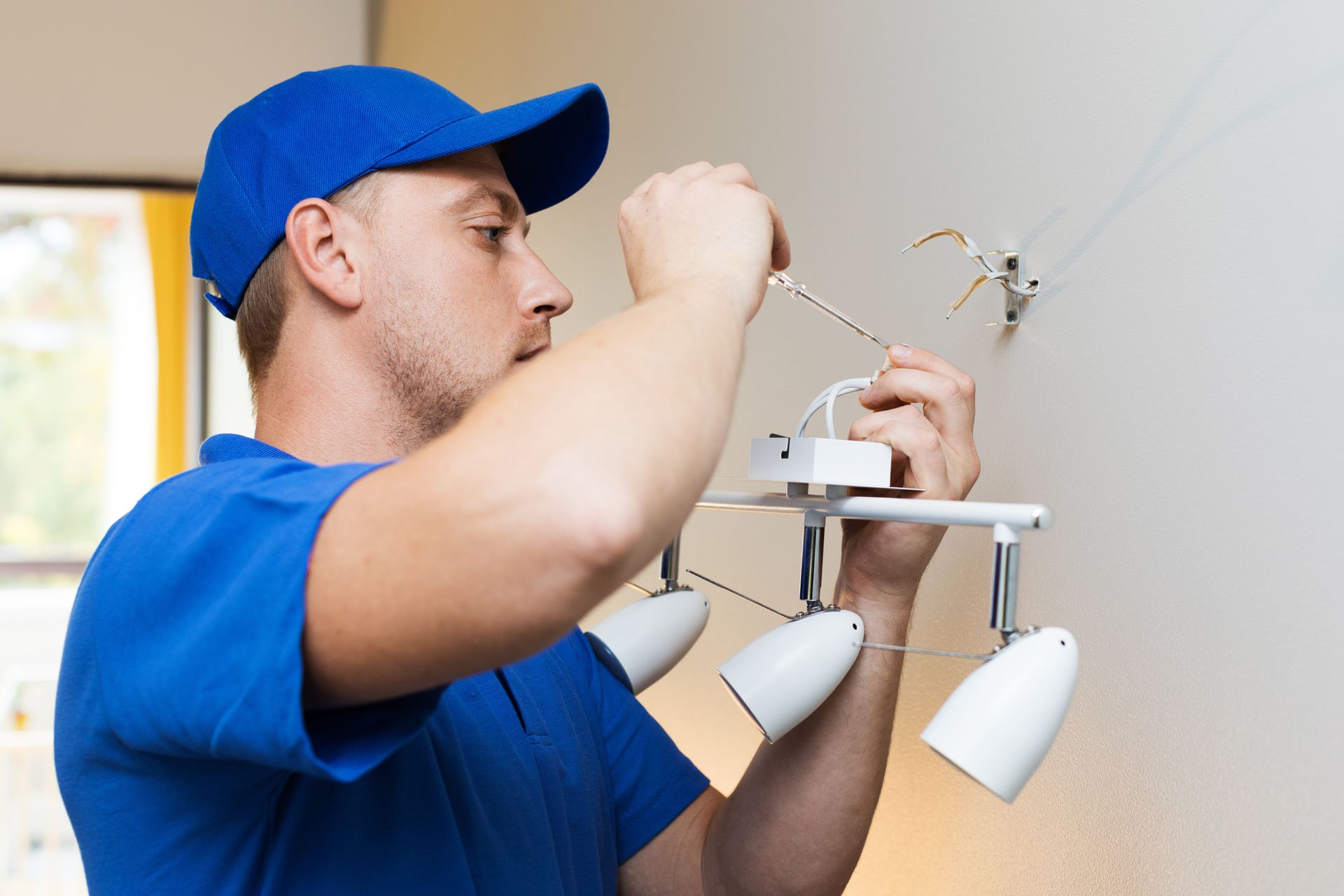
One of the most important safety contributions comes from proper system design and installation. Electrical systems must be carefully planned so that circuits are balanced and able to handle expected loads without overheating or failure. Poor design is one of the leading causes of preventable electrical hazards.
Code compliance is a critical part of this process. Electrical codes exist to standardize safety practices and reduce risks across all installations. A professional electrician ensures every installation follows these requirements, helping prevent dangerous issues like improper grounding or overloaded circuits.
Material quality also plays a major role in system safety. Using certified wiring, breakers, and panels reduces the likelihood of system breakdowns or fire hazards. Low-quality materials may function temporarily but often degrade quickly under normal electrical loads.
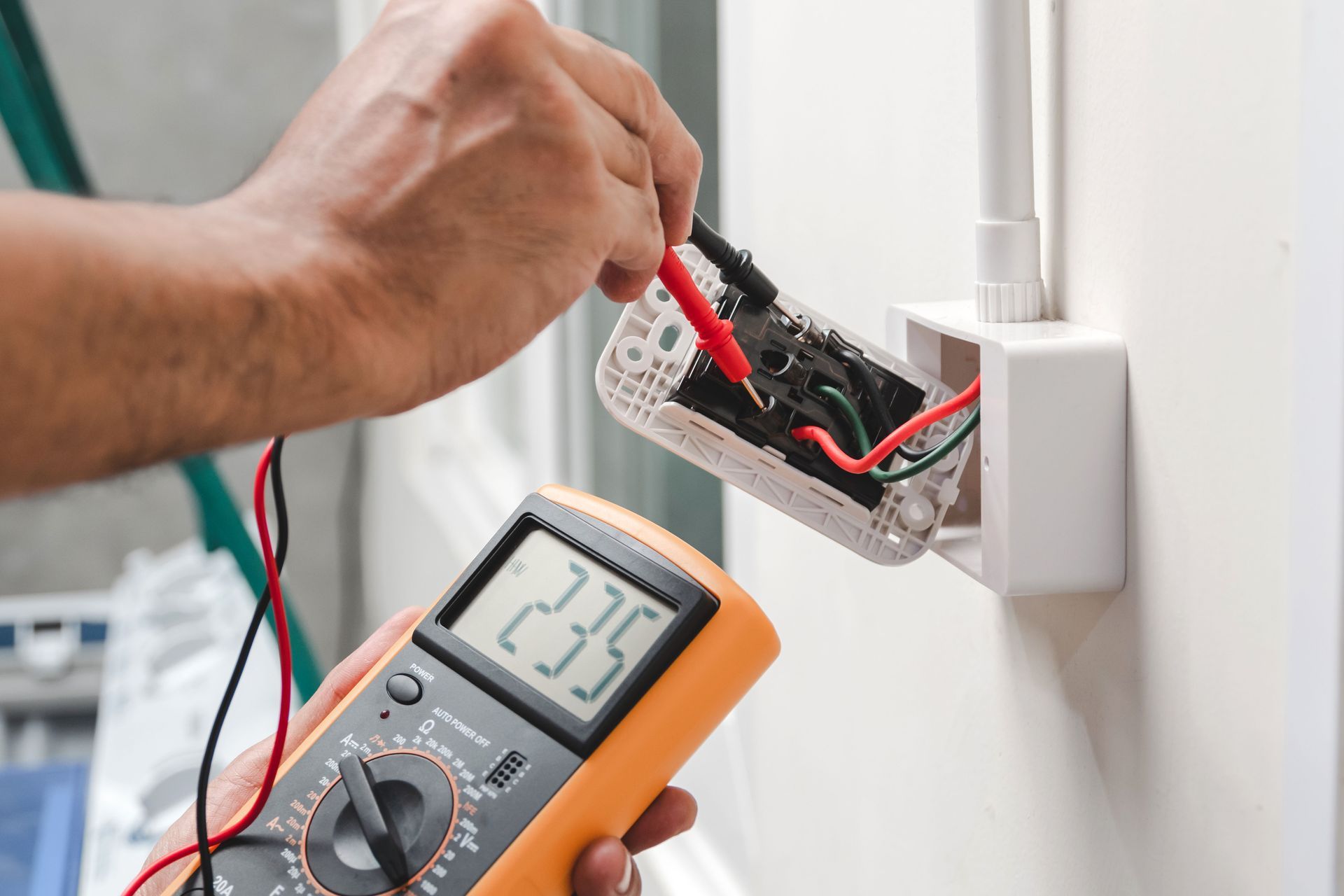
Circuit design is equally important. Proper load distribution prevents overheating and reduces strain on individual components. When circuits are designed correctly, electrical systems operate more efficiently and safely over time. Testing is the final step in installation safety. Every connection, breaker, and grounding point is verified before the system is fully activated. This ensures the entire setup functions correctly and safely from day one.
2. Maintaining and Inspecting Systems for Ongoing Safety
Electrical systems naturally degrade over time, which is why regular maintenance is essential. Small issues like loose wiring or worn insulation can develop into serious hazards if not addressed early. Routine inspections help identify these risks before they escalate.
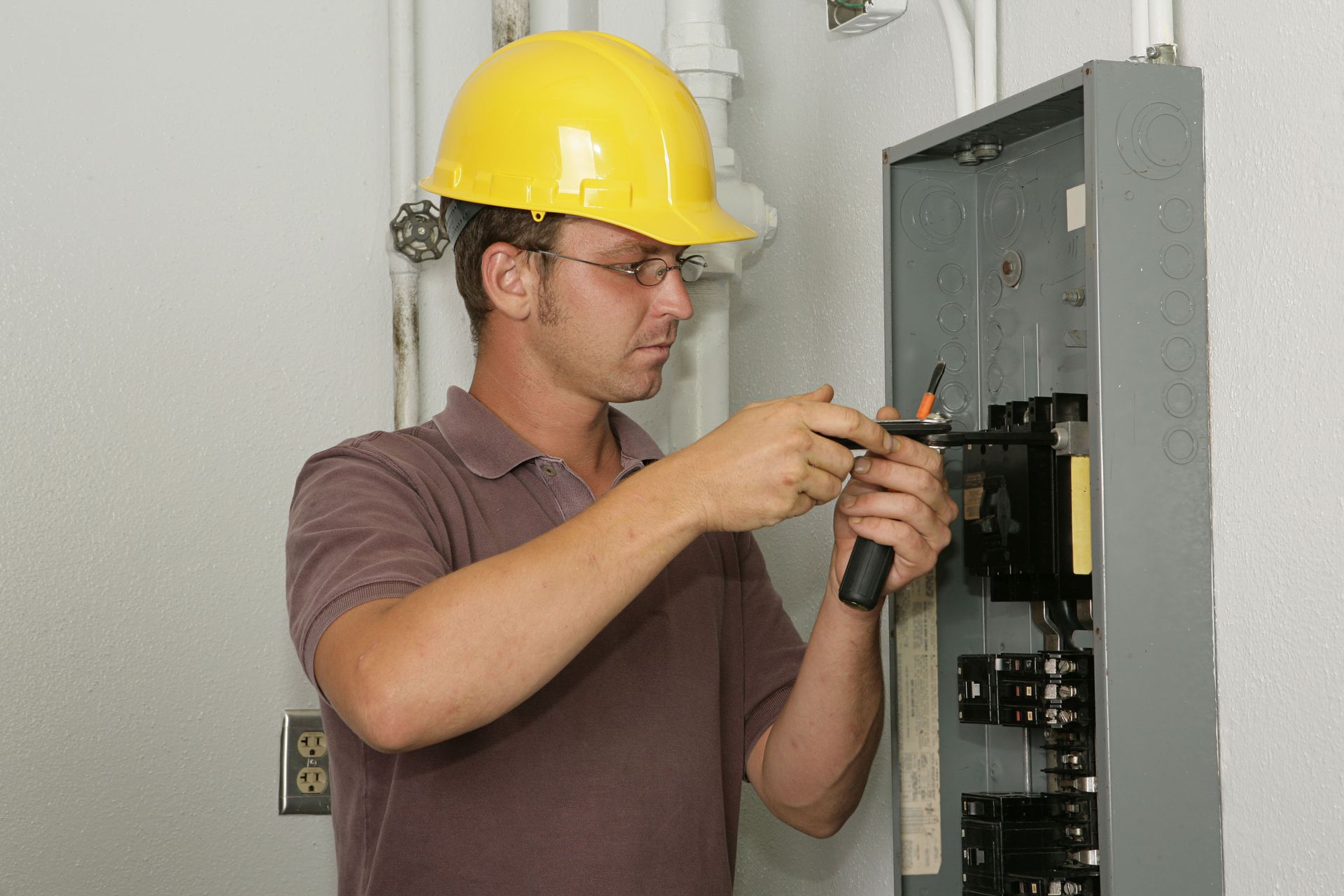
Preventative maintenance improves both safety and performance. Tasks such as tightening connections, cleaning panels, and replacing worn components help keep systems stable. These steps reduce the likelihood of sudden failures or dangerous malfunctions. Outdated systems present another safety concern. Older electrical setups are often not designed to handle modern energy demands. Upgrading these systems improves safety by aligning them with current standards and usage requirements.
Maintenance also extends system lifespan. When electrical components are properly cared for, they operate more efficiently and experience fewer breakdowns. This reduces both repair costs and safety risks over time. Regulatory compliance is another important factor. Electrical standards are regularly updated to reflect new safety insights. Keeping systems compliant ensures they continue to operate safely under modern guidelines.
3. Troubleshooting and Repairing Electrical Issues Safely
Electrical problems often show early warning signs such as flickering lights, tripping breakers, or unusual odors. Identifying these signs early is essential for preventing more serious hazards. A trained electrician is skilled at diagnosing these issues accurately.
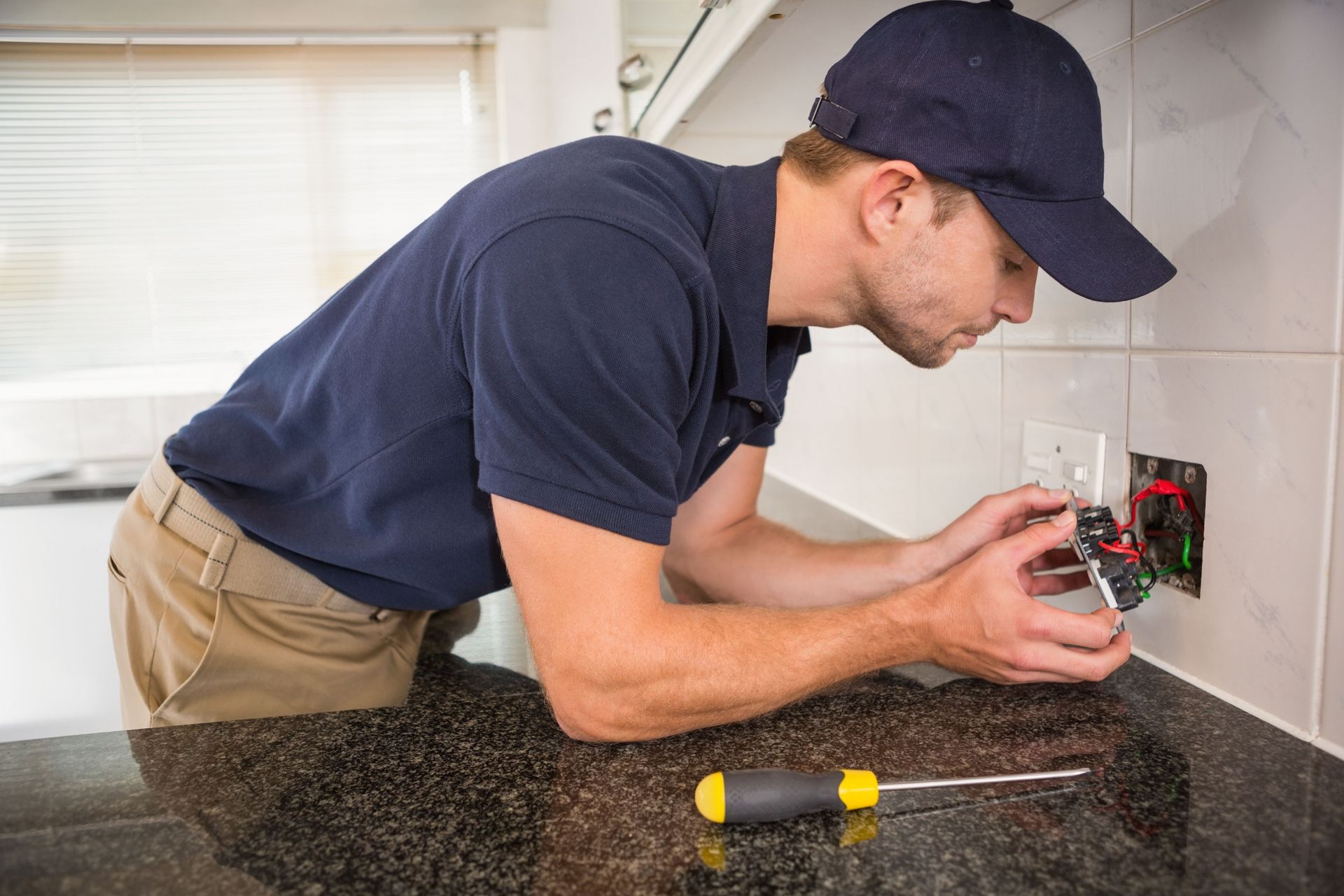
Correct diagnosis is critical because electrical problems can have multiple underlying causes. Misidentifying the issue can lead to incomplete repairs and recurring hazards. A proper assessment ensures the root cause is addressed. Faulty components must be repaired or replaced with precision. Damaged wiring or malfunctioning breakers can compromise the entire system if not handled correctly. Safe repair work restores system integrity and reduces future risks.
Preventing repeat failures is another key part of electrical repair. Instead of only fixing visible issues, underlying causes are corrected to ensure long-term stability. This proactive approach significantly improves safety. Client awareness is also important. When property owners understand early warning signs, they can respond faster to potential issues. This helps prevent small problems from becoming major hazards.
4. Installing Safety Devices for Electrical Protection
Safety devices are essential for controlling electrical risks and preventing accidents. These systems respond automatically when irregularities occur, reducing the chance of injury or damage. Surge protectors are commonly installed to guard against sudden voltage spikes. These spikes can damage appliances and create fire risks if not controlled. Surge protection helps stabilize electrical flow and protect connected devices.
Ground fault circuit interrupters are especially important in areas exposed to moisture. They detect imbalances in electrical current and shut off power instantly, reducing the risk of electric shock. Circuit breakers and fuses protect systems from overloads. When electrical demand exceeds safe levels, these devices cut power to prevent overheating and potential fires. Proper installation ensures they function effectively.
Smoke and carbon monoxide detectors also play a critical safety role. These devices provide early warnings that allow occupants to respond quickly in emergency situations. Childproof outlets add another layer of protection in homes with children. These outlets prevent accidental contact with live electrical components, reducing the risk of injury.
5. Improving Energy Efficiency to Support Electrical Safety
Energy efficiency improvements are closely linked to electrical safety. When systems operate efficiently, they generate less heat and experience less strain, reducing the risk of failure. Efficient appliances also help maintain safer electrical loads. Devices designed for lower energy consumption reduce pressure on circuits and improve overall system stability. Smart lighting systems further improve control over energy use. Automated features reduce unnecessary power consumption while improving convenience and safety.
Proper insulation and wiring practices are also essential. Well-insulated wiring reduces heat buildup and lowers fire risk, while correctly sized wiring ensures safe energy distribution. Sustainable energy practices help maintain long-term system safety. Efficient systems operate more predictably and reduce stress on electrical infrastructure, improving reliability.
6. Training and Certification Supporting Electrical Safety
Professional training is a key factor in maintaining safe electrical work. Electricians undergo extensive education and hands-on experience to develop the skills needed for safe installations and repairs. According to the U.S. Bureau of Labor Statistics, most electricians complete 4–5 year apprenticeships with approximately 2,000 hours of practical training per year before becoming fully licensed professionals. This ensures they gain both theoretical knowledge and real-world experience. Certification confirms that an electrician meets required safety and competency standards. Licensing processes help ensure only qualified professionals perform electrical work.
Ongoing education is also necessary as technologies and regulations evolve. Electricians must stay updated on new systems, safety codes, and installation techniques to maintain safe practices. Compliance with occupational safety standards is another essential requirement. These guidelines help reduce workplace risks and ensure safe procedures are followed at all times.
7. Ensuring Compliance and Long-Term Electrical Safety
Compliance with electrical codes is essential for maintaining safe systems. These standards are designed to prevent hazards and ensure consistent safety practices across all installations. Safety protocols guide every stage of electrical work. From planning to execution, structured procedures reduce the likelihood of errors and improve system reliability. Regular updates to safety regulations mean systems must be reviewed periodically. Keeping installations up to date ensures they continue to meet modern safety expectations.
Risk management practices also play a major role in electrical safety. Identifying potential issues early allows for corrective action before they become serious hazards. A professional electrician applies these principles consistently to ensure systems remain safe, efficient, and compliant over time.
Electrical safety depends on proper installation, ongoing maintenance, accurate troubleshooting, and strict compliance with safety standards. Each element works together to reduce risks such as fire, shock, and system failure. When handled correctly, electrical systems become significantly safer and more reliable for everyday use. This protects both property and occupants while improving long-term performance. For dependable service and expert support, contact League Electric to ensure your electrical system is safe, compliant, and built to last.