May 12, 2026
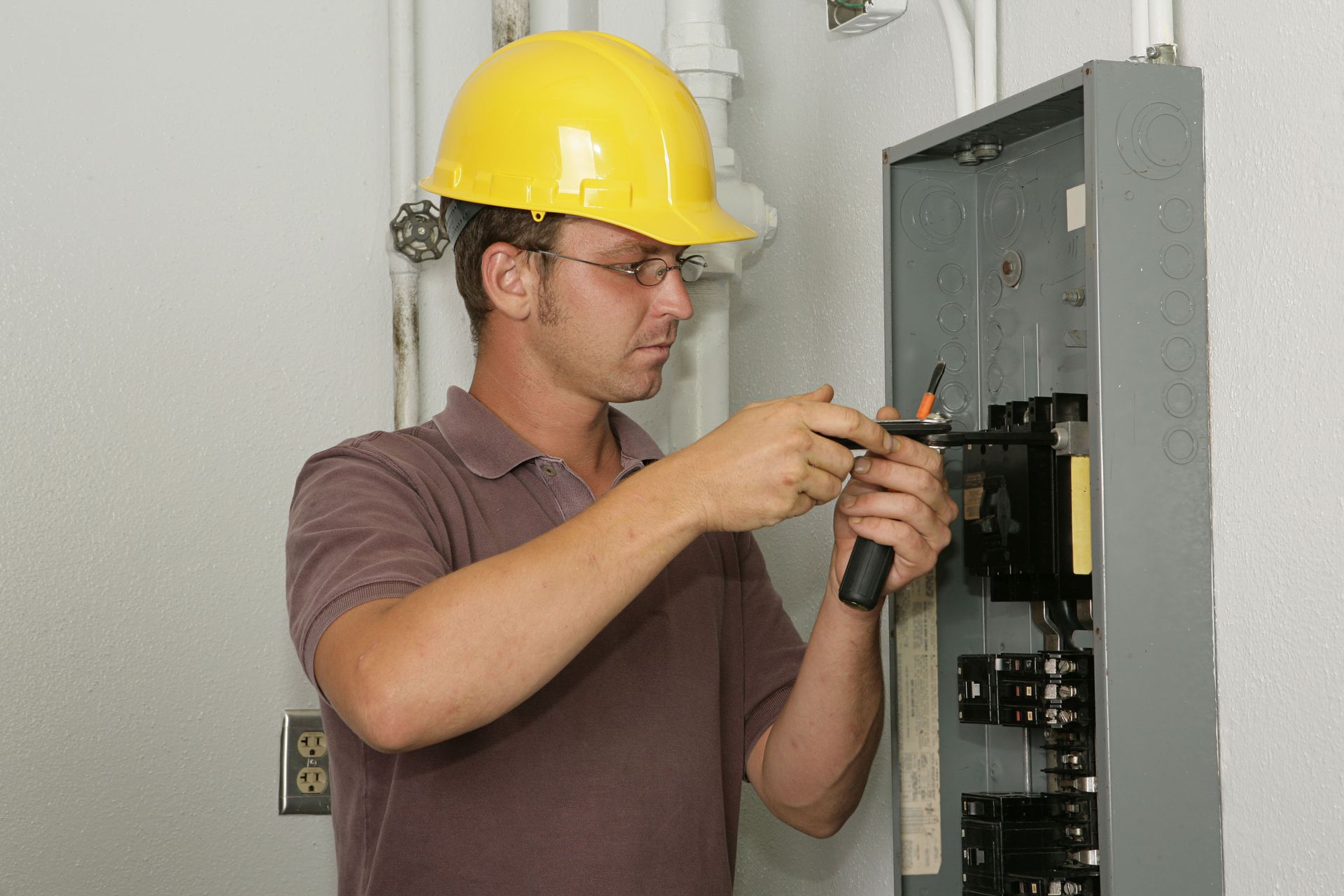
Maintaining a safe and functional home requires staying vigilant about the systems that power your daily life. Among these, the electrical system is arguably the most critical and the most dangerous if neglected. Many homeowners overlook minor flickers or strange sounds, assuming they are just quirks of an older building. However, these small irregularities are often early warning signs of underlying issues that could lead to power failures or, in extreme cases, electrical fires. Recognizing when to bring in a professional is not just about convenience; it is about protecting your property and the people inside it. Knowing the specific indicators that warrant an electrician service call can help you address problems before they escalate into costly emergencies.
Frequent Tripping of Circuit Breakers
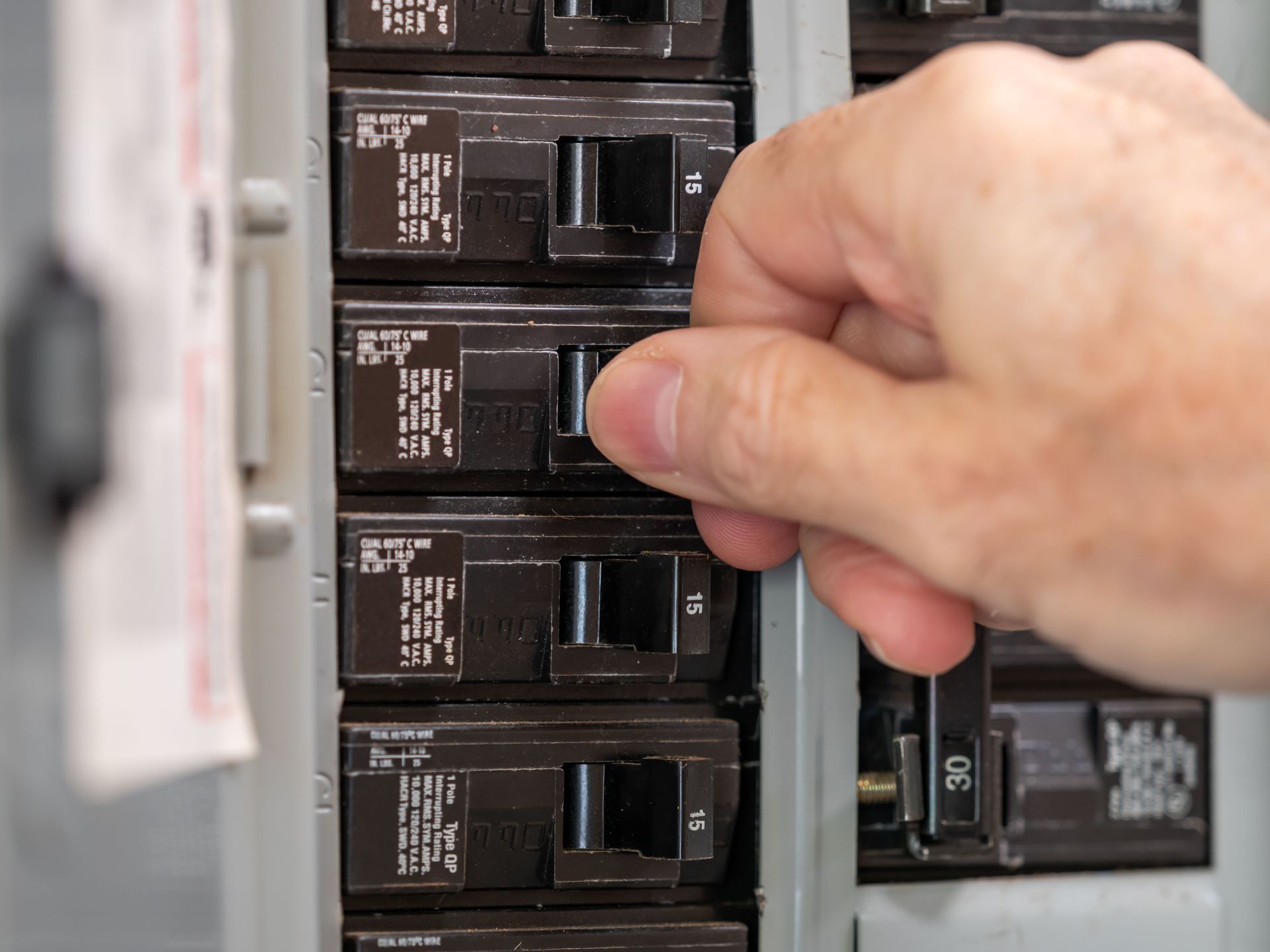
One of the most common signs that you need to contact a professional is a circuit breaker that trips repeatedly. The breaker is a safety device designed to shut off the flow of electricity when a circuit is overloaded. If you find yourself frequently resetting the switch in your electrical panel, it is a clear indication that the circuit is drawing more power than it can safely handle. This could be due to a single appliance that is faulty or a broader issue with how your home’s power is distributed. Continually resetting a breaker without addressing the root cause can lead to overheating and permanent damage to your wiring. An experienced electrician can evaluate the load on your panel and determine if you need to add new circuits or upgrade your existing service.
Flickering or Dimming Lights
While a single flickering bulb might just need to be tightened or replaced, consistent flickering across multiple fixtures often points to a deeper issue. If your lights dim momentarily every time the refrigerator kicks on or when you start the vacuum cleaner, your system is likely experiencing a voltage drop. This happens when high-draw appliances "steal" power from lighting circuits, suggesting that your wiring may be outdated or insufficient for your current needs. These fluctuations are not just annoying; they can cause sensitive electronic equipment, such as computers and smart televisions, to malfunction or sustain internal damage over time. An electrician can diagnose whether the issue is localized to a specific circuit or if the entire home requires a more robust power delivery setup.
Unusual Odors or Scorching Around Outlets
Perhaps the most alarming sign of electrical distress is the presence of a persistent burning smell, often described as an "electrical" or "fishy" odor. This scent usually indicates that plastic components or wire insulation are melting due to excessive heat. If you notice this smell coming from a specific outlet or a section of the wall, you should immediately turn off the power at the main breaker and call for help. Similarly, if you see any discoloration, charring, or "soot" marks around the openings of a wall plug, the outlet has likely experienced a dangerous level of heat. Using a scorched outlet is extremely risky and can lead to a fire behind the drywall, where it cannot be easily seen or extinguished.
Outlets that feel warm to the touch are another major red flag. Under normal operating conditions, an outlet should never generate noticeable heat. If a plug feels hot after being used for a short period, it suggests that the wiring behind it is overloaded or poorly connected. A qualified electrician will be able to remove the faceplate, inspect the wires for signs of thermal damage, and replace the faulty components. Proactive replacement of damaged outlets is a relatively simple procedure that can prevent a catastrophic event. Never ignore these physical signs, as they are the final warnings the system gives before a total failure occurs.
Persistent Buzzing or Humming Sounds
Electricity should move silently through your home. If you begin to hear a distinct buzzing, humming, or crackling sound coming from your switches, outlets, or the breaker panel, something is wrong. These sounds are often the result of loose wires or a failing component that is struggling to maintain a connection. In some instances, the sound is caused by "arcing," where the current jumps across a gap in the wiring. Arcing is a primary cause of house fires and should never be ignored. Identifying the source of the noise requires specialized tools and the expertise of a trained professional who can safely navigate the high-voltage areas of your home.
When an electrician investigates these sounds, they often find that the internal mechanism of a switch has worn out or that a wire nut has become loose over the years of vibration and temperature changes. Fixing these issues early prevents the "fried" smell and charred outlets mentioned previously. It also ensures that your home’s electrical environment remains quiet and stable. A silent system is a sign of a healthy connection, and any deviation from that silence should be treated as a priority maintenance task. Investing in a quick diagnostic check can save you from the much larger expense of replacing large sections of scorched wiring later on.
Understanding the broader context of power can also highlight the importance of efficiency. According to IEA, in the United States, 38% of electricity generation came from natural gas, 19% from coal, 21% from nuclear, and 22% from renewables in 2024. This diverse energy mix powers our grid, but once that energy enters your home, it is your responsibility to ensure the infrastructure can handle it safely. Maintaining your electrical system helps reduce waste and ensures that the power generated from these various sources is used effectively and safely within your residence.
The Presence of Tangled or Exposed Wiring
In many older homes, renovations and quick fixes over the decades can lead to a "nest" of tangled wires in the attic, basement, or crawl space. Exposed wires or cables that are not properly secured in a junction box are significant safety hazards. If you see wires with frayed insulation or those that have been chewed by rodents, the risk of a short circuit is incredibly high. Exposed copper is an invitation for disaster, as it can easily come into contact with flammable materials or provide a lethal shock to anyone performing routine maintenance in those areas. A professional can organize your wiring, secure it in proper conduits, and ensure that all connections are housed in fire-rated boxes.
Proper wire management is about more than just aesthetics; it is about preventing the accidental physical damage that leads to electrical failure. When wires are left hanging or are stretched too tight, the internal copper can snap, or the insulation can rub away. Bringing in an electrician to clean up "legacy" wiring from previous owners is one of the smartest things a new homeowner can do. This process allows for a full audit of the system, identifying obsolete materials like knob-and-tube wiring or aluminum wiring, both of which have specific risks and may affect your ability to get homeowners' insurance. Clearing up the clutter in your electrical system provides a clear path for future upgrades and ensures every connection is visible and secure.
Ensuring the safety of your home’s power system is an ongoing process that requires attention to detail and a commitment to professional standards. Whether you are dealing with a simple flickering light or the more serious threat of scorched outlets, taking action quickly is the key to preventing major damage. League Electric is committed to providing reliable, expert service to keep your household running smoothly and safely. Our team understands the nuances of modern power demands and can help you navigate everything from panel upgrades to emergency repairs. Call League Electric today to learn more about how an experienced electrician can secure your home and provide the peace of mind you deserve.