May 19, 2026
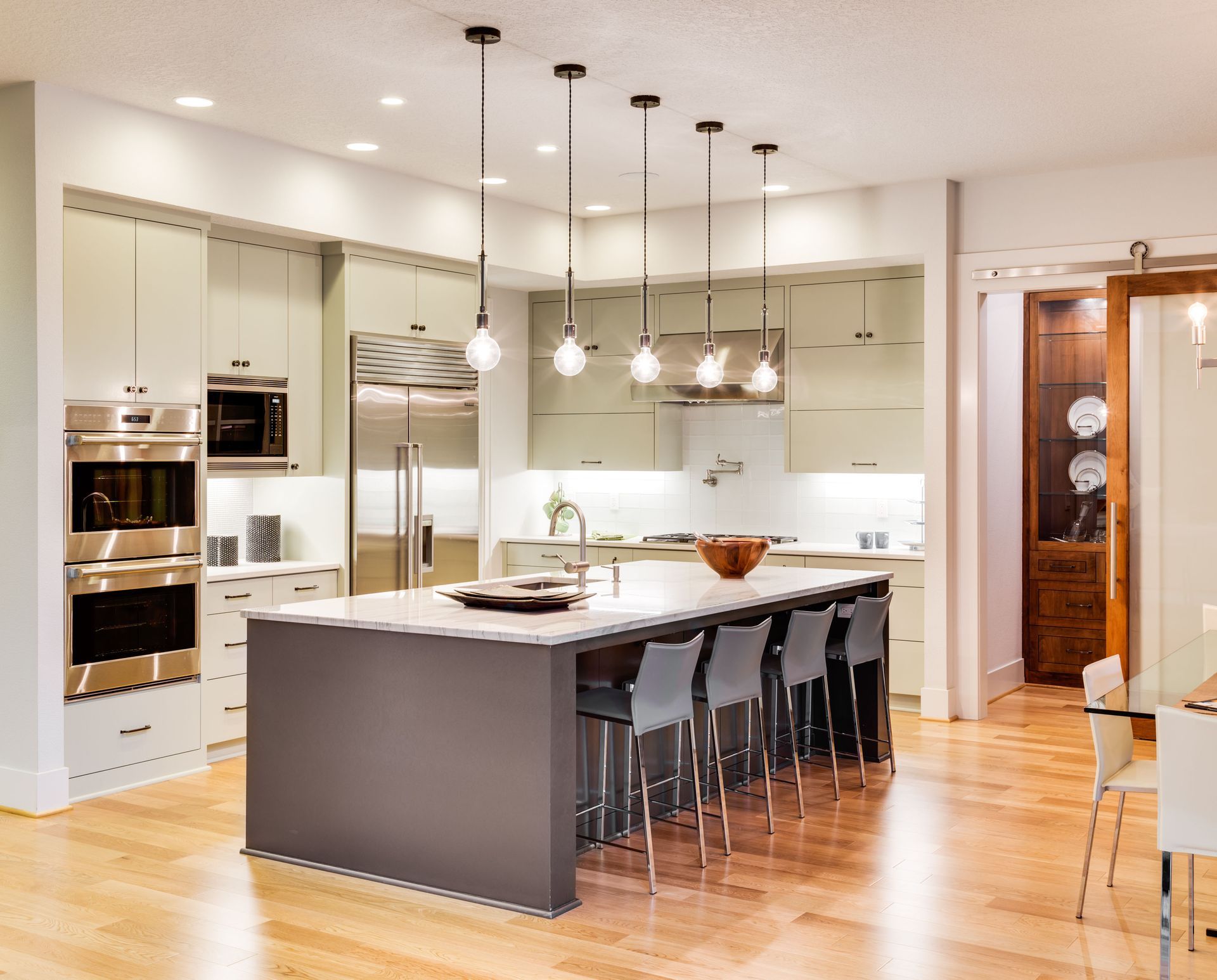
Recessed lighting has grown in popularity as a fashionable and functional choice for kitchen lighting installations. Its streamlined design and adaptability make it a go-to option for homeowners seeking a modern look. Besides adding a sophisticated aesthetic to the kitchen, recessed lighting offers practical benefits tailored to enhance both space and functionality. This article delves into the features that make recessed lighting an ideal addition to any kitchen, and why many homeowners prefer it for their lighting needs.
1. What Are the Advantages of Recessed Lighting in Kitchens?
A. Enhanced Aesthetics
Recessed lighting helps create a clean and uncluttered look, as the fixtures are hidden within the ceiling, allowing focus on the kitchen’s design elements. The subtle glow emitted highlights the textures and colors of cabinets, countertops, and backsplashes, elevating the overall appearance. Modern kitchens aligned with minimalist design particularly benefit from the sleekness of recessed lighting. Moreover, homeowners who appreciate visually pleasing environments find these lighting installations an aesthetic game-changer in kitchen design.
The ability of recessed lighting to blend seamlessly with various kitchen styles, from contemporary to traditional, makes it an aesthetically versatile choice. Different trim styles and finishes are available, enabling customization that aligns with specific aesthetic preferences. Recessed lights can also be placed strategically to draw attention to key areas without disrupting the visual flow of the space. Overall, the integration of these lights enhances not just the ambiance, but also the architectural integrity of kitchen spaces.
Such lighting installations are particularly beneficial in open-plan kitchens where continuity in design is crucial. By maintaining a consistent look across connected living spaces, recessed lighting supports a fluid design narrative. It reduces the need for multiple fixtures, simplifying the appearance and creating a balanced aesthetic environment. Ultimately, this type of lighting provides both an unobtrusive look and a dramatic impact on kitchen atmospheres.
B. Space Efficiency
One of the key benefits of recessed lighting is its ability to conserve space, a critical factor in kitchen design where every inch counts. By being flush with the ceiling, recessed lights free up overhead space that might otherwise be consumed by bulky fixtures. This is especially useful in kitchens with low ceilings where traditional pendants or chandeliers might be impractical. Homeowners find this lighting format ideal as it allows freedom for other essential design elements.
Maximizing space efficiency extends beyond physical space; it also contributes to visual space, making kitchens feel larger and less cramped. With recessed lighting, there’s no need to navigate around fixtures that intrude into headspace, which can contribute to a more open and inviting kitchen. In smaller kitchens, this sense of openness can significantly enhance the comfort and usability of the space. Additionally, it avoids distractions from other décor or accessories enabling a cohesive design.
For those who value cleanliness and simplicity in design, recessed lighting aligns perfectly by avoiding the dust and grime accumulation typical of more ornate fixtures. The space efficiency offered means that kitchens not only function better but also remain easier to maintain. Uncluttered ceiling lines and reduced visual impedance allow for heightened focus on culinary activities. Space efficiency, thus, is integral to making recessed lighting a pragmatic choice for modern kitchens.
2. How Does Recessed Lighting Improve Kitchen Functionality?
A. Task Lighting
Recessed lighting plays a pivotal role in task lighting enhancement within the kitchen setting, illuminating critical workspaces with precision. By focusing light specifically on areas such as countertops and stovetops, it ensures activities like cooking and cleaning are performed safely and efficiently. Properly directed task lighting reduces eye strain and shadows, thus improving visibility for meticulous tasks such as chopping or reading recipes. This targeted lighting is fundamental to creating a productive and high-functioning kitchen environment.
The strategic placement of recessed lights engages with the architectural layout to provide ample illumination where it's needed most. For instance, placing lights above sinks or preparation areas ensures clear and efficient functionality without the obstruction of shadows. Customizable configurations allow for concentrated lighting that can be tailored to personal and practical preferences. This adaptability is crucial in achieving a kitchen that supports various culinary and household tasks seamlessly.
Enhanced task lighting supports both novice and experienced cooks by creating a reliable environment conducive to culinary creativity. Emphasizing function along with form, recessed lighting bolsters safety by reducing potential hazards associated with poor lighting conditions. Facilitating optimal task completion makes recessed lighting essential for kitchens designed with both aesthetics and practicality in mind. Kitchen efficiency is paramount, and appropriately crafted task lighting through recessed fixtures is instrumental in achieving this goal.
B. Ambient Lighting
The ambient lighting capabilities of recessed lighting installations lend themselves well to cultivating a warm and inviting kitchen atmosphere. By uniformly lighting the space, these lighting installations help maintain consistent and gentle illumination, contributing to a relaxed and welcoming environment. This diffuse lighting effect is particularly beneficial for social gatherings or everyday meals, providing a comfortable light quality for various settings. The ambient light layer complements task lighting and establishes the overall mood in kitchens.
Recessed lighting elevates kitchen design by seamlessly merging with ceilings and creating a harmonious balance between light and architecture. The ambient glow supports other decorative lighting elements, shaping cozy vibes without dominating the visual space. This adaptability facilitates a range of interior styles from minimalist to eclectic, each benefiting from the subtle ambiance provided by recessed lights. Versatile and minimalist lighting design enhances daily kitchen interactions and fosters enjoyable experiences.
3. What Considerations Should Be Made When Installing Recessed Lighting?
A. Spacing and Layout
Achieving optimal lighting through recessed lighting installations necessitates careful consideration of spacing and layout. The placement must ensure even light distribution across the kitchen to avoid bright spots and shadows. A typical guideline is to space lights 4 to 6 feet apart according to The Spruce, although ceiling height and room size can influence these measurements. Strategic layout planning is fundamental in optimizing light flow and ensuring consistency throughout the space.
It’s imperative to incorporate spacing principles with the kitchen’s specific layout to maximize the functional output of recessed lighting. Calculations should account for room dimensions, furniture placement, and task zones to avoid overshadowing or excessive illumination. By doing so, homeowners and designers can achieve a harmonious balance where lights enhance the kitchen without overpowering it. To achieve this, using lighting software or consulting professionals can be invaluable in visualizing effective configurations.
The flexibility of recessed lighting allows any layout to be customized to the unique spatial characteristics of a kitchen. An effective spacing strategy should emphasize both aesthetics and functional needs, maintaining the kitchen’s utility and ambiance. Thoughtful pre-installation planning lays the groundwork for an effective, pleasing lighting setup that integrates seamlessly into the kitchen’s design narrative. Proper layout prevents unnecessary cost and revision, ensuring satisfaction in the long term.
B. Ceiling Height
Ceiling height significantly impacts choices around recessed lighting configurations, influencing both the type and intensity of light required. Lower ceilings benefit from lights with a wider beam spread to cover larger areas effectively, preventing overly concentrated light in one spot. Conversely, high ceilings may require more powerful lights or additional fixtures to extend coverage and achieve adequate illumination. Tailoring lighting to ceiling height ensures a balanced light presence and prevents wastage or overflow of light.
Recessed lighting enhances spatial proportions, addressing the challenge of high or low ceilings by creating a visual illusion of increased height. Adjustments to light intensity, beam angle, and fixture size can help mediate the effects of ceiling height on lighting dynamics. Kitchens with vaulted or sloped ceilings present unique challenges, necessitating adaptable recessed options to retain spatial cohesion. Employing this understanding ensures lighting complements architectural features rather than competing with them.
Recessed lighting, with its numerous advantages, stands out as an excellent choice for kitchen lighting installations. From enhancing aesthetics and space efficiency to providing versatile lighting control and increasing property value, its benefits are widespread and impactful. Furthermore, it improves kitchen functionality by ensuring effective task and ambient lighting while minimizing shadows and highlighting features. When planning installation, key considerations like layout, ceiling height, bulb type, and control systems are essential to ensuring optimal performance and satisfaction. Overall, recessed lighting enhances both the beauty and practicality of kitchens, making it a preferred choice for homeowners seeking modern, efficient lighting solutions. Reach out to League Electric today to see how we can help you!